January 26, 2021 1 min read 243 words
Two Inputs You Must Control to Avoid Insanity
Albert Einstein is credited with saying "Insanity is doing the same thing, over and over again, and expecting different results."
Core Argument
Albert Einstein is credited with saying “Insanity is doing the same thing, over and over again, and expecting different results.”
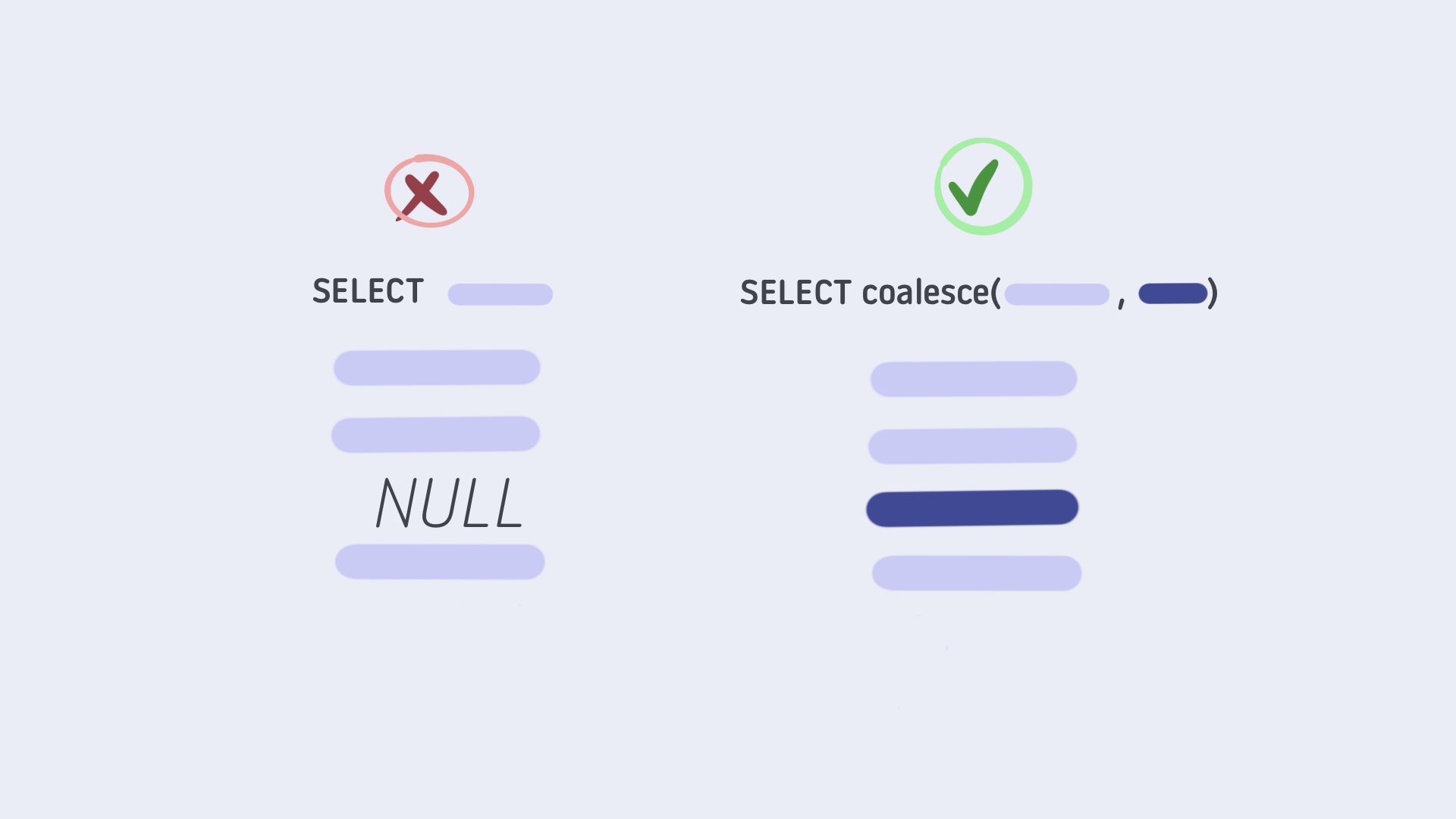
When producing an analysis, the founder flips the quote: “Insanity is doing the same thing, over and over again, and getting different results.” It is absolutely maddening when you know you did the same thing as before, but it produces a different report.
When that happens, you only have two places to look:
- The data — which records changed? Why were they updated?
- The logic — what about your logic changed? Why did it change? Are you keeping a change log?
Solutions
- Control for the logic with version control (git, dbt project versioning)
- Control for the data with slowly changing dimensions (SCD patterns)
Why It Matters
This is one of the most developed articles in the batch, with a clear thesis, supporting structure, and practical solutions. The core insight — that reproducibility failures come from exactly two sources (data drift and logic drift) — is a foundational principle of analytics engineering.
The framework is elegantly simple: if your results changed, it’s either the inputs or the rules. Version control handles the rules side. Slowly changing dimensions handle the data side. If you control both, you can always explain why results differ. This is the foundation of trustworthy analytics.